A first-generation ranch built on a conviction that direct sales beat the commodity price.
Cody Hoseth started working under established cattle ranchers in Deer Park, Washington at 17. By the time he was ready to build his own operation, he had one asset: everything he had learned. An FSA Beginning Farmer loan matched that knowledge with capital. He started with 40 acres, built a herd by selling yearlings and reinvesting the profit, and committed early to direct sales rather than selling to large packing corporations at commodity prices that left ranchers with margins too thin to build on.
When COVID hit and supermarket shelves thinned out, Cody and Jen saw the moment. Consumer beef prices soared. Walmart was rationing ground beef at two pounds per customer. People were actively looking for local alternatives. Lone Crow leaned in completely. The customer base grew faster than they expected. Their first retail store was a converted shed on the Deer Park ranch, finished by hand.
“We built this one decision at a time. Buy the land, sell the beef, open the store, add the state. We were always too busy growing to stop and build systems. Eventually the growth needed infrastructure, or it was going to start costing us.”
— Cody Hoseth, Founder, Lone Crow Ranch
Three retail locations, four shipping states, Wagyu subscriptions — and one overwhelmed checkout.
By 2024, Lone Crow Ranch was operating three retail locations, a vending machine, an online store shipping across four states, and a “Subscribe & Save $20” option that had no formal subscription management behind it. Orders were processed manually. Inventory was tracked by feel. The Monday-only cold-ship rule — essential for protecting product integrity in transit — was communicated by email confirmation after purchase, rather than enforced at checkout.
The subscription problem was the most acute. Customers signing up for the $20-off subscription box were not enrolled in any automated billing system. Each recurring order required manual processing as though it were a new purchase. As subscriber numbers grew, this created a proportional administrative burden that was impossible to sustain.
The multi-location inventory problem compounded this further. A Richland walk-in sale on a Friday afternoon reduced in-store stock — but the online store continued showing those units as available until someone manually updated the quantity. Occasional overselling led to the conversation no direct-sales rancher wants: apologizing to an online customer because stock sold at the physical counter first. That trust takes time to rebuild.
Bulk share pre-orders — the quarter, half, and whole beef reservations that are core to Lone Crow’s business model — were managed by phone and text. Buyers called to reserve their beef, discussed cut preferences verbally, and received a handwritten or emailed cut sheet to confirm. The deposit was collected informally, sometimes weeks after the reservation. The system worked at 20 bulk orders per season. At 80, it consumed two full days of Jen’s time every month just in coordination.
One unified operation: subscriptions that actually recur, inventory that actually syncs, cold-ship that enforces itself.
Lone Crow had built an exceptional product and a genuinely loyal customer base. The infrastructure gap was not a capability gap — it was a time gap. Cody and Jen had been too busy growing to stop and build the systems that sustained growth requires. We built those systems in 14 days.
- Formal subscription management with auto-billing and skip logic. The “Subscribe & Save $20” offer became a real recurring subscription. Customers enroll once; billing runs automatically each cycle. Subscribers pause or skip without losing their spot. Recurring orders generate without any manual processing per subscriber.
- Wagyu and Angus box tiers with breed-specific product storytelling. Each product page carries the full provenance story — nutritionist-formulated feed, irrigated pasture, no added hormones, the Washington farms sourcing the grain. Buyers understand what they’re paying for, which sustains the premium price point online.
- Multi-location POS sync with a shared inventory pool. Loon Lake, Richland, and Connell all pull from a single inventory source. A sale at any location updates availability across all channels in real time. No manual reconciliation. No overselling.
- Monday-only cold-ship enforcement at checkout. Buyers selecting shipping to Oregon, Idaho, or California can only select a Monday ship date. The system does not present other options. Cold-chain compliance is no longer communicated after the fact — it’s built into the purchase flow.
- Digital bulk share pre-orders with online deposit collection. Quarter, half, and whole beef shares listed with pricing, estimated weight ranges, and processing timelines. Buyers pay a deposit at checkout and submit cut-sheet preferences through a built-in digital form. Lone Crow receives structured orders — no phone call, no text thread, no manual write-up required.
- Delivery scheduling for Spokane, Tri-Cities, and Seattle zones. Local buyers select their preferred delivery window at checkout. Routes group automatically and generate as driver manifests each delivery day.
Subscriptions compounding. Pre-orders off the phone. Four states, one dashboard.
The subscription compounding effect changed the business model in the most meaningful way. When recurring billing is manual, subscribers pile up on someone’s to-do list rather than compounding as revenue. Lone Crow’s subscription base grew 3.8× in year one without proportional growth in the team managing it. That is what subscription infrastructure is supposed to produce.
“We had subscribers. We just didn’t have a subscription business. There’s a real difference. When everything is manual, growth creates work instead of revenue. Now when someone subscribes, it runs. That’s what a subscription is supposed to be.”
— Jen Hoseth, Co-founder, Lone Crow Ranch
The bulk pre-order shift freed Jen from two full days per month of coordination work. Buyers now reserve their beef, pay their deposit, and submit their cut preferences without a conversation. The structured data arriving from the portal feeds directly into the Connell butcher shop’s production schedule. Cut-sheet errors dropped to near-zero because preferences are written rather than remembered from a phone call.
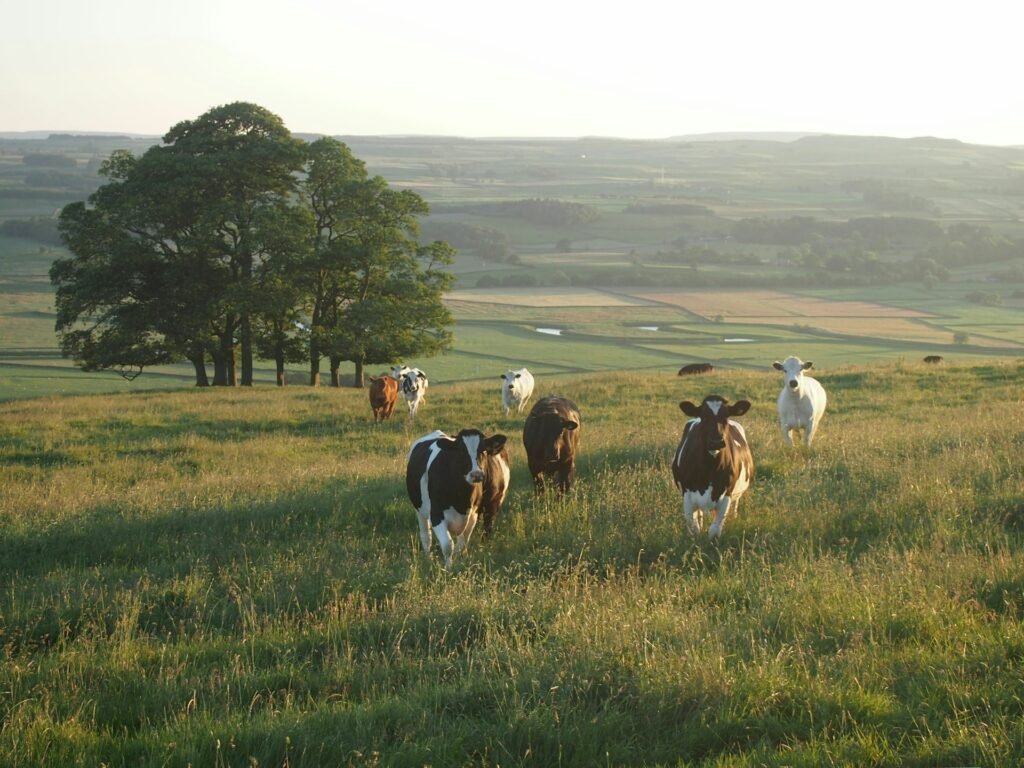
Lone Crow Ranch is a first-generation cattle operation based in Eltopia, Washington, run by Cody and Jen Hoseth. The ranch raises Wagyu and Angus beef and pork across properties in Eltopia and Loon Lake. Products are sold through retail locations in Loon Lake and Richland, a USDA-inspected butcher shop in Connell, and an online store shipping free to Washington, Oregon, Idaho, and California.